
The Clarke Family – A Lifetime of Service to St George’s Rowing Club
The Clarke family has contributed a great deal to St George’s Rowing Club. Across two generations, they have given their time, skills and leadership to ensure the club not only survived challenging periods but continued to grow and prosper.
Their story is one of quiet dedication, practical service and an unwavering belief in the importance of community rowing.
Bill (W.) Clarke – Building the Foundations
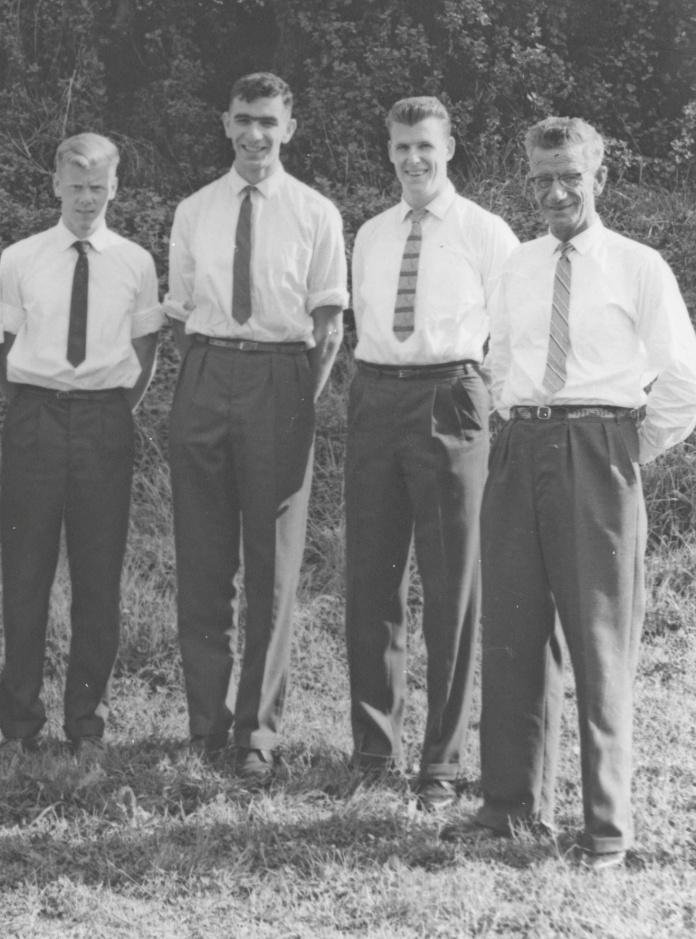
The Clarke family’s contribution began with Bill (W.) Clarke, who became one of the club’s key administrators during the 1960s.
Serving on the Executive Committee between 1961 and 1966, Bill chaired committee meetings and helped guide the club through an important period of development. His commitment extended well beyond administration. Even after his son Brian had stepped back from rowing, Bill continued working around the clubrooms, undertaking improvements and helping maintain the facilities for future generations.
One of his last contributions was converting the front left-hand room of the clubhouse into a dedicated committee room, providing the club with an important meeting space.
Bill’s practical skills were also recognised through two club boats that proudly carried his name:
A Litecraft four (1981)
A Litecraft double/pair (1967–1971)
Brian Clarke – The Club’s Steady Hand

Brian Clarke joined St George’s Rowing Club on 25 October 1959 and quickly became one of its most committed members.
An active rower until his marriage in 1963, Brian served as Club Captain from 1961 to 1963, as an active rower while also demonstrating leadership. During this period he also undertook practical projects around the clubhouse, including installing new entrance lighting in 1965.
Away from St George’s, Brian remained heavily involved in rowing administration, serving the Legion of Rowers as President, Secretary and Treasurer for over forty years.
Perhaps Brian’s greatest contribution came decades later.
By the late 1990s, St George’s was facing one of the most difficult periods in its history. Governance issues and weaknesses within the club’s constitution threatened its future. When Marianne Wood approached Brian for help, he immediately answered the call.
Recognising the scale of the challenge, Brian contacted long-serving members Kerry Brear and Russell Tidmarsh, bringing them back to help rebuild the club’s governance. Working together with other experienced people in the rowing community, including Bill Falconer and representatives from Rowing New Zealand, they undertook the substantial task of rewriting the club’s constitution and restoring sound management.
At the 2000 Annual General Meeting, Brian was elected President, beginning a remarkable fifteen-year period of leadership that lasted until his passing on 19 February 2015.
Throughout those years he worked alongside a dedicated Executive Committee that included Honorary Secretary Kerry Brear and a succession of club captains and volunteers who rebuilt the club both on and off the water.
Brian often reminded members that the club’s greatest strength was its people. At the conclusion of his first AGM as President he shared words that perfectly captured his philosophy:
“St George’s Rowing Club has existed because of parents and the support they have given. With continued support from parents and members of the Club, we can achieve good things. This Club has huge potential and by working together, we will all help to realise this goal and utilise this potential we have.”
Those words became a guiding principle during the club’s revival.
The club honoured his contribution by naming a WinTech quad/four purchased in 2010 Brian Clarke, ensuring future generations would continue to recognise his remarkable service.
Christine Clarke – A Pioneer Behind the Scenes
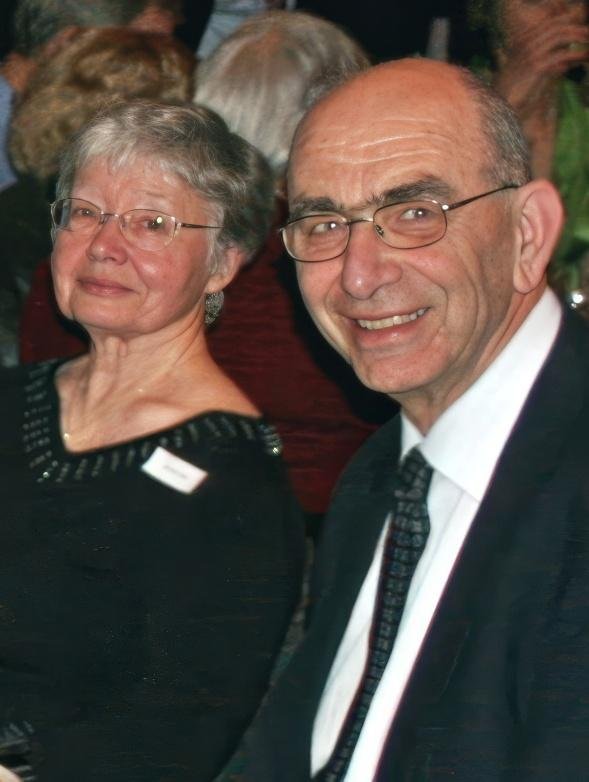
The Clarke family’s contribution also includes Christine Clarke (née Elliott).
In 1960, the club held a special meeting to seek approval to appoint a woman as Honorary Secretary — a progressive decision for its time. Christine was chosen as she had secretarial skills and her job was near the CPO, so she could pick up mail. She accepted the role.
At the 1961 Annual General Meeting, members formally recorded their appreciation:
“The Committee would like to put on record their thanks for the efficient work, Miss Christine Elliott had done for the Club.”
Not long afterwards Christine married Brian. Brian’s lifelong involvement with St George’s Rowing Club was made possible with the support from Christine and his family.
A Family Tradition
Brian’s brother, Tom Clarke, also rowed for St George’s, continuing the family’s involvement on the water. Their mother Edna Clarke shared her professional seamstress skills to sew a boat cover for the club’s new Eight.
Together, the Clarke family demonstrated that a successful rowing club depends on far more than race results. It requires administrators, builders, organisers, volunteers and leaders who are prepared to give their time whenever the club needs them most.
For more than fifty years, the Clarke family answered that call.
Their legacy can still be seen throughout St George’s Rowing Club — in its buildings, its governance, its traditions and, most importantly, in the culture of volunteer service they helped foster. Their story reminds us that the strength of a rowing club is built not only by the crews that race, but also by the families who dedicate themselves to ensuring the club thrives for generations to come.